Bringing Personality to Handmade Creations with Facial Expression Font
I was in the middle of designing a set of seasonal candle labels when I stumbled upon Facial Expression. It felt like finding the perfect spice for a recipe—something that would elevate the whole dish. This cute and unique dingbats font immediately caught my eye, and I knew it had the potential to transform my simple label designs into something truly special.
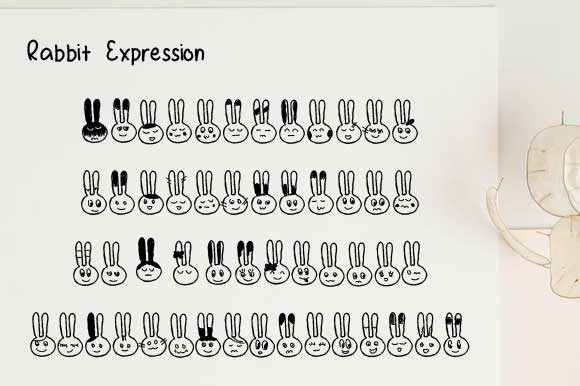
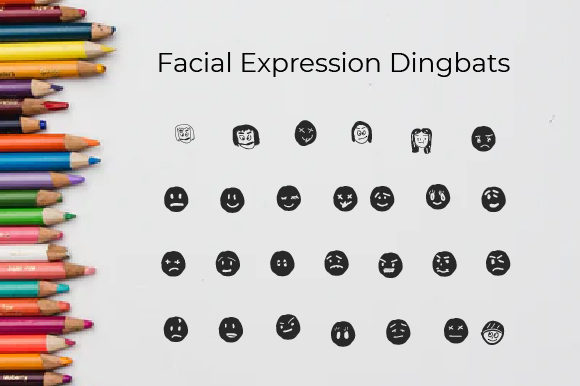
Facial Expression is more than just a font; it's a playful expression of creativity. Its visual personality is charming and whimsical, with each character shaped like a small, expressive face. These faces add a sense of warmth and friendliness to any design, making them ideal for handmade items that aim to connect emotionally with their audience.
As I began experimenting with Facial Expression, I started by applying it to a range of handmade products. From greeting cards to wedding invitations, the font brought an unexpected level of charm. I used it on a set of birthday cards, placing the recipient’s name in the center with a smiling face above it. The result was instantly recognizable as something handmade and personal.
The versatility of Facial Expression quickly became apparent. I tested it on packaging for a small batch of handmade soaps, using it to write “Handcrafted with Love” across the front. The effect was delightful—each face seemed to smile back at me, adding a layer of personality that made the product feel more approachable and genuine.
For digital printables, I paired Facial Expression with a clean sans serif font for headers and body text. This combination worked well for planner pages and printable wall art. The contrast between the playful dingbats and the straightforward typography created a balance that felt both modern and inviting.
When working with cutting machines like Cricut or Silhouette, I found that Facial Expression performed exceptionally well. The characters were clear even at smaller sizes, which was essential for creating stickers and tags. I made a series of holiday tags using this font, and they turned out beautifully crisp and detailed.
I also experimented with using Facial Expression on tote bags and mugs. For the tote bags, I used it to create a fun logo that included a few of the facial expressions. It added a touch of humor and personality that resonated well with my customers. On mugs, I used it for short phrases like “Good Morning” and “Stay Calm,” which became popular items in my shop.
One of the things I love about Facial Expression is how it can be used for both decorative wording and display purposes. It works especially well for titles, names, and short phrases. However, I did find that it wasn't suitable for longer blocks of text due to its stylized nature. That’s why I always pair it with a simpler font for body copy.
If you're considering using Facial Expression for your own projects, I recommend checking the available styles, alternates, ligatures, and swashes. Also, ensure that the font supports commercial use if you plan to sell physical products, templates, or digital downloads. Understanding the file formats and multilingual support is crucial, especially if you're targeting a global audience.
Whether you're designing farm house signs, wedding welcome boards, or boutique packaging, Facial Expression has the ability to make your creations stand out. It adds a touch of personality that can enhance your brand identity and help your products feel more connected to your audience.
From my experience, using Facial Expression has not only improved the aesthetic appeal of my handmade items but also increased customer engagement. People seem to respond positively to the friendly and approachable vibe that this font brings to every design. It’s a small detail that makes a big difference, and I’m excited to see where this font will take my creative journey next.